AMRIC Logo
ศูนย์วิจัยสหวิทยาการดื้อยา

About AMRIC

The Antimicrobial Resistance Interdisciplinary Center (AMRIC)

is an interdisciplinary research and training hub based at Faculty of Pharmacy, Mahidol University, Thailand. AMRIC was established to address one of the most pressing global health challenges of the 21st century: antimicrobial resistance (AMR). AMR threatens the effectiveness of life-saving medicines, increases the complexity of clinical care, and places a heavy economic burden on healthcare systems worldwide.


AMRIC’s mission is to integrate cutting-edge research, capacity building, and international collaboration to understand the molecular drivers of resistance and to develop practical solutions. By connecting academic researchers, clinicians, public health authorities, and policy makers, AMRIC serves as a national focal point for AMR innovation and contributes to Thailand’s role in global health security.


AMR undermines the effectiveness of life-saving medicines, complicates patient care, and threatens the sustainability of modern healthcare and agriculture. AMRIC operates through a One Health framework—recognizing that the health of humans, animals, and the environment are inseparably linked. This perspective ensures that research and interventions capture the full ecosystem in which resistance emerges and spreads.
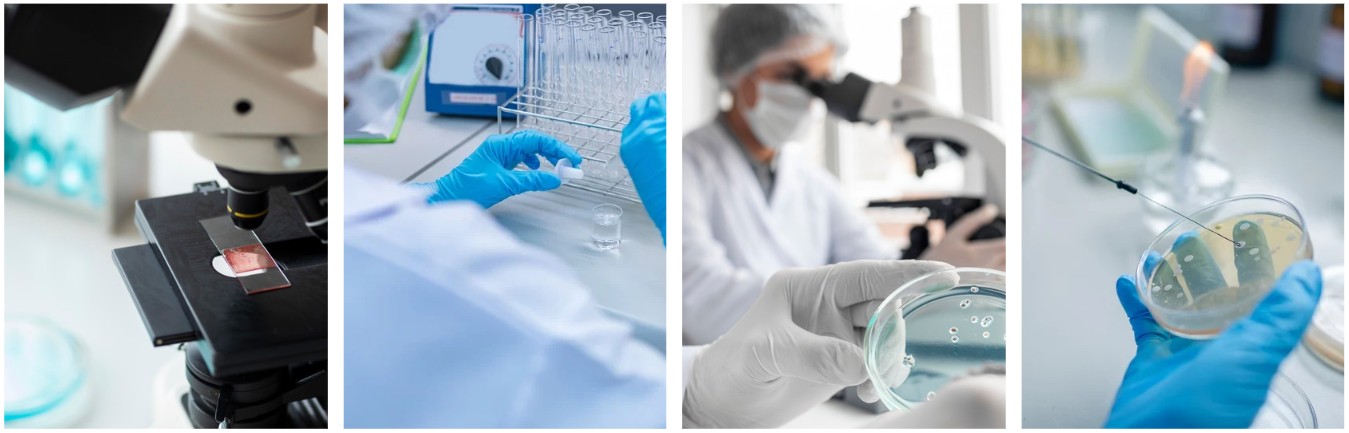
AMRIC lab

Key features of AMRIC’s approach include:

  • Multidisciplinary teams spanning microbiology, genomics, pharmacology, clinical medicine, and data science.

  • Partnerships with regional and global networks to share knowledge and resources.

  • A strong commitment to training future leaders in AMR science.

  • Objectives

    AMRIC pursues a comprehensive set of goals designed to tackle AMR from fundamental science through to practices:

    1. Advance Molecular-Level Understanding of AMR
      • Investigate the genetic, biochemical, and ecological mechanisms by which bacteria acquire and disseminate resistance.
      • Use state-of-the-art genomic, transcriptomic, and proteomic approaches to identify novel resistance determinants and transmission pathways.
    2. Develop Innovative Diagnostics
      • Create rapid, sensitive, and cost-effective diagnostic tools that enable early detection of resistant pathogens.
      • Support the implementation of these tools in hospitals, community clinics, and field settings to improve treatment outcomes.
    3. Support Discovery of New Antimicrobials and Alternative Therapies
      • Explore natural products, synthetic compounds, bacteriophage therapy, and host-directed treatments as potential solutions to multi-drug resistant infections.
      • Foster collaborations with pharmaceutical and biotechnology partners to move promising leads toward clinical development.
    4. Promote Rational Antimicrobial Use
      • Generate high-quality evidence to guide national antibiotic stewardship programs.
      • Provide data to inform guidelines for appropriate prescribing in both human and veterinary medicine.
    5. Strengthen Interdisciplinary and International Collaboration
      • Build cooperative projects with leading research institutions worldwide.
      • Share datasets, tools, and best practices to accelerate scientific progress and global preparedness.
      • Build future generations of AMR researchers and professionals
      • Offer training, mentorship programs, and hands-on laboratory experiences.
      • Facilitate international exchanges and integrate AMR education into university curricula to ensure sustainable expertise.


    Grants

    Health Systems Research Institute (HSRI)
    PMUC
    TSRI
    PMUC